

Cereulide, a toxin produced by certain Bacillus cereus strains, is gaining relevance as an emerging risk in infant formula, reflected in growing scientific attention and a precautionary recall in late 2025 linked to contaminated ARA oil. Notably, signals pointing to this risk were already visible across research and incident data before these events occurred.
This article explores how monitoring and risk intelligence tools can help identify early warning signals and enable earlier recognition of emerging risks in infant formula.
Understanding Cereulide as an Emerging Risk in Infant Formula
Cereulide is a heat-stable toxin produced by emetic strains of Bacillus cereus that can persist despite standard processing conditions. In infant formula, the risk is often ingredient-driven, meaning contamination may originate upstream in the supply chain rather than from visible product spoilage.
Unlike general B. cereus presence, cereulide formation is difficult to detect through routine microbiological testing and may occur without clear sensory indicators, which increases the likelihood of unnoticed exposure in products intended for vulnerable populations.
From Early Signals to a Real-World Incident
In December 2025, Nestlé initiated a precautionary recall of specific batches of infant and follow-on formula after detecting trace amounts of cereulide in finished products; the issue was linked to contaminated arachidonic acid oil (ARA oil) used as an ingredient. Nestlé’s own timeline states they informed Dutch authorities on 10 December 2025 and decided to recall products manufactured since a specific equipment change at a factory in the Netherlands.
Source: https://www.nestle.com/sites/default/files/2026-01/infant-formula-recall-timeline-events.pdf
Early Scientific and Risk Intelligence Signals
Prior to the December 2025 recall, multiple indicators suggested that cereulide risk in infant formula was already gaining attention across scientific research, ingredient discussions, and monitoring data. Rather than emerging as a sudden incident, the recall was preceded by a sequence of weak but consistent signals pointing to a developing risk landscape.
Growing scientific attention
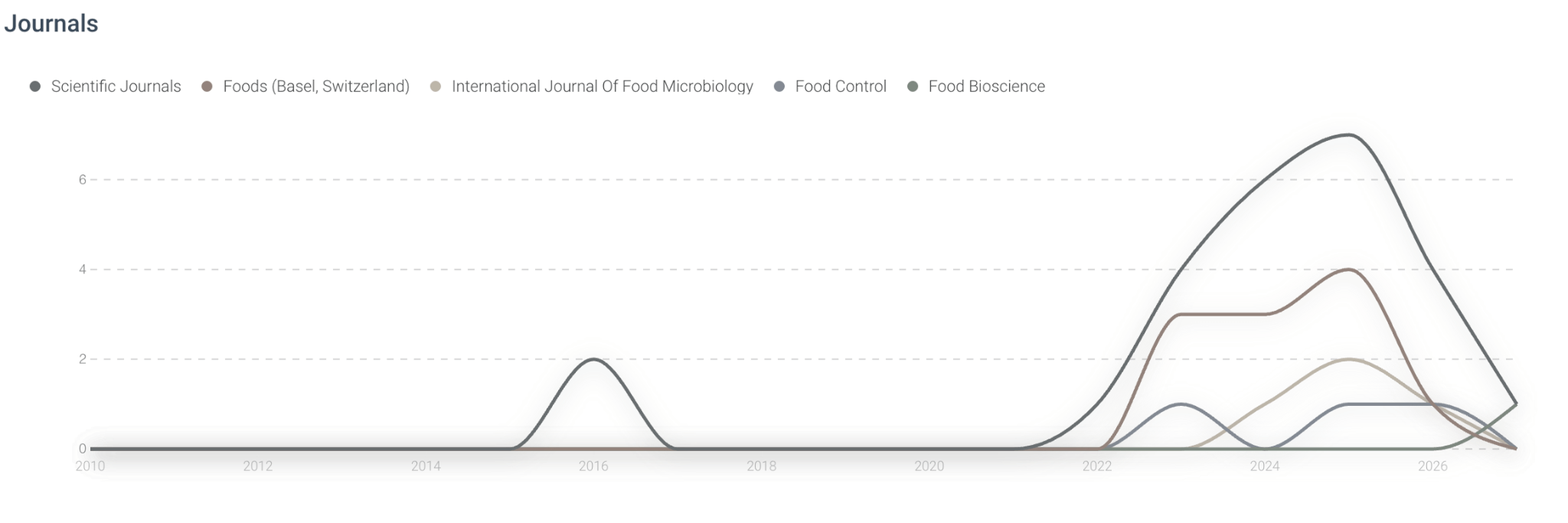
Scientific monitoring showed a clear increase in publications investigating cereulide occurrence and emetic Bacillus cereus strains between 2020 and 2025, with a noticeable acceleration in 2024–2025. This trend reflects increasing scientific interest in the toxicogenic potential of these bacteria and their relevance for food safety.
Elevated detection signals in infant formula
Reported sampling data indicated that more than 80% of infant formula samples tested positive for Bacillus cereus, with approximately 36% identified as ces-positive strains capable of producing cereulide, suggesting potential toxicogenic pathways.
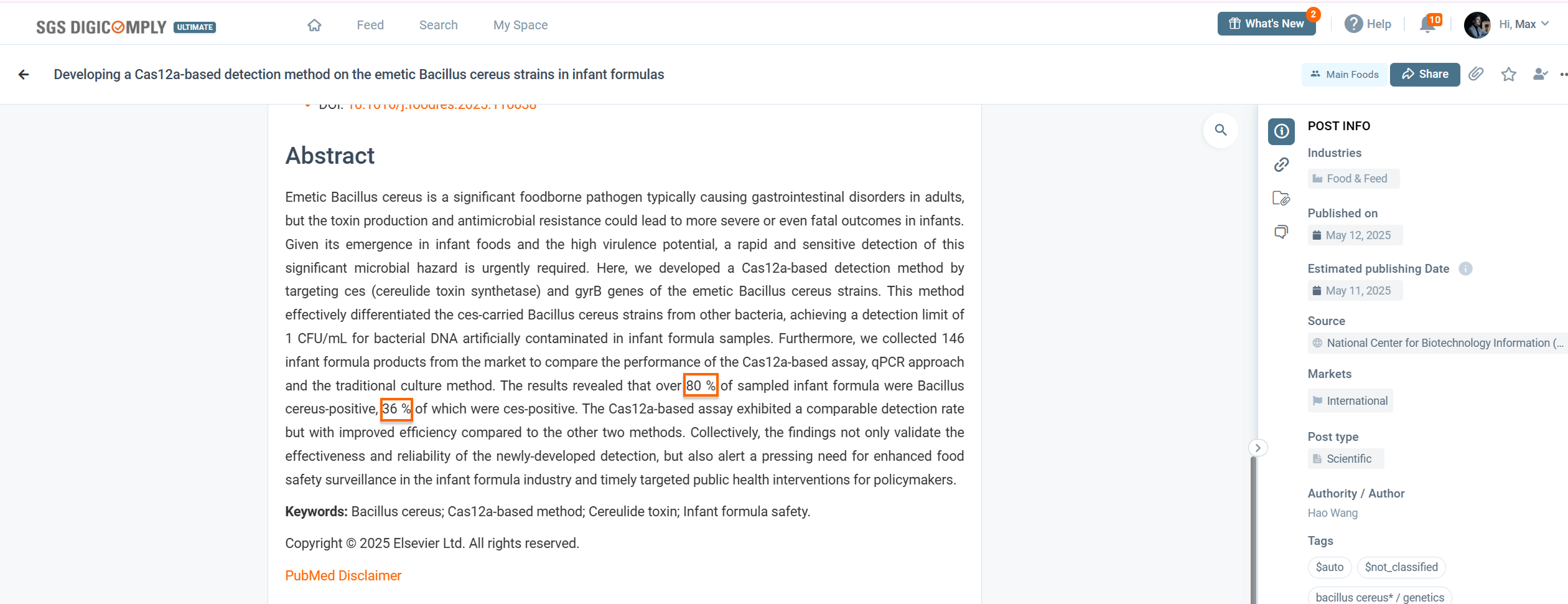
Source: Developing a Cas12a-based detection method on the emetic Bacillus cereus strains in infant formulas
Together, these signals — spanning scientific literature, ingredient risk discussions, and regulatory assessment — illustrate how cereulide risk was already evolving within the food safety landscape before the recall materialised.
Post-Recall Incident Escalation
Following the December 2025 recall, incident monitoring shows increasing mentions of cereulide-related hazards in infant formula, particularly involving Bacillus cereus. Analysis of incident data using the following filters highlights this trend:
- Product: Infant formula
- Substance: Bacillus cereus
- Hazard: Cereulide
- Source: Government body
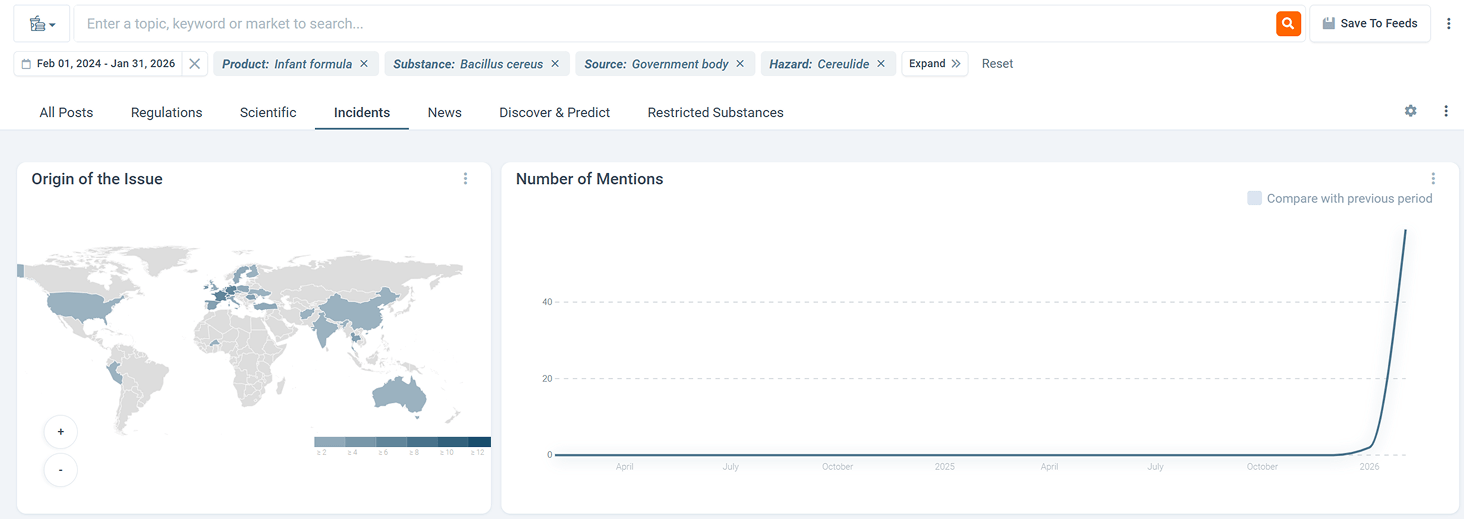
This trend suggests that the recall did not mark the end of the risk signal but rather triggered heightened detection, reporting, and investigation across supply chains and regulatory monitoring systems. Whether this reflects increased contamination events or improved detection and awareness remains an open question.
Regulatory Response
Following the December 2025 recall, regulatory attention intensified. In February 2026, the European Food Safety Authority (EFSA) published a rapid risk assessment addressing cereulide as a potential food safety concern in infant formula.
This assessment reflects how emerging risks identified through scientific and incident signals can eventually lead to regulatory evaluation and guidance.
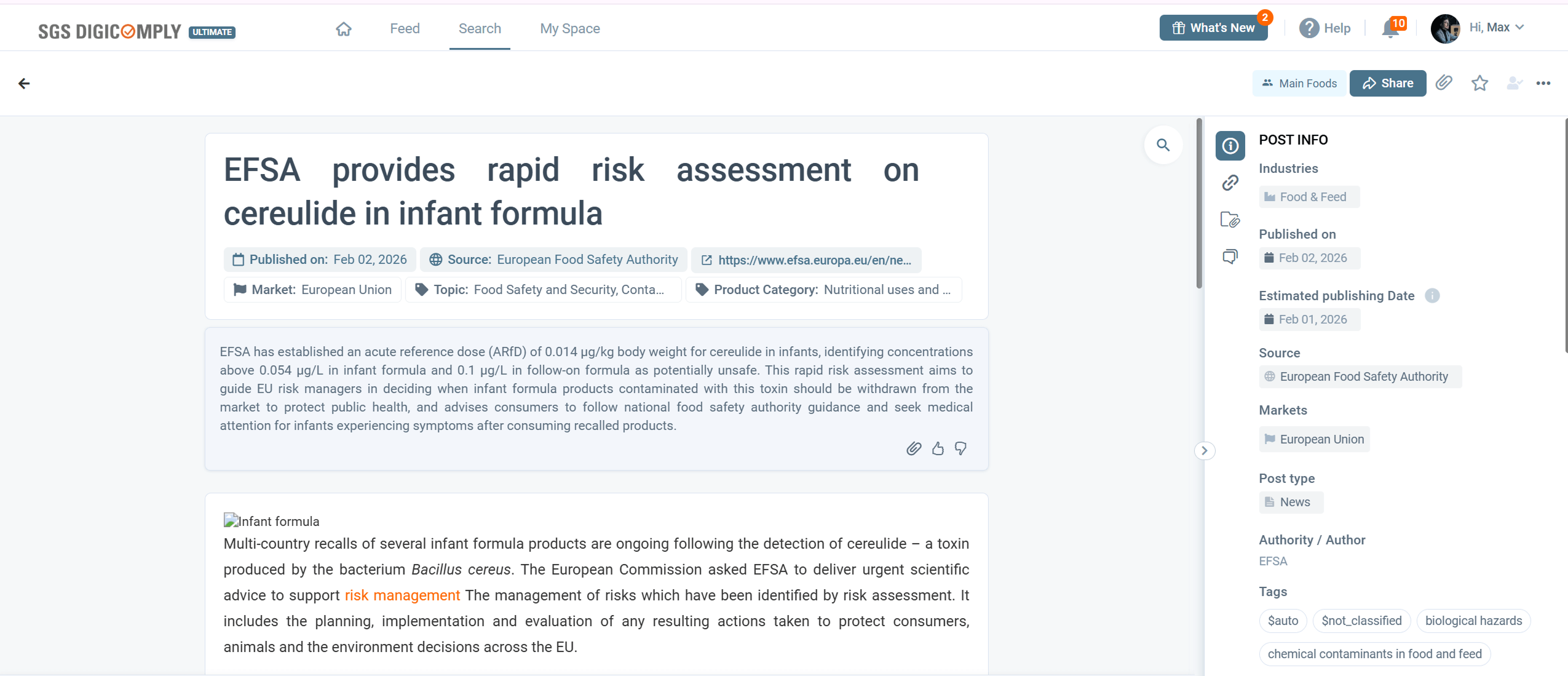
Source: EFSA provides rapid risk assessment on cereulide in infant formula
Turning Early Signals into Actionable Intelligence
Early identification of weak signals is critical for anticipating emerging risks such as cereulide before they escalate into incidents. Digicomply enables food safety teams to monitor scientific, incident, ingredient, and regulatory intelligence in one place and translate early signals into actionable risk awareness.
Explore interactive platform demonstrations: https://www.digicomply.com/explore-platform


