
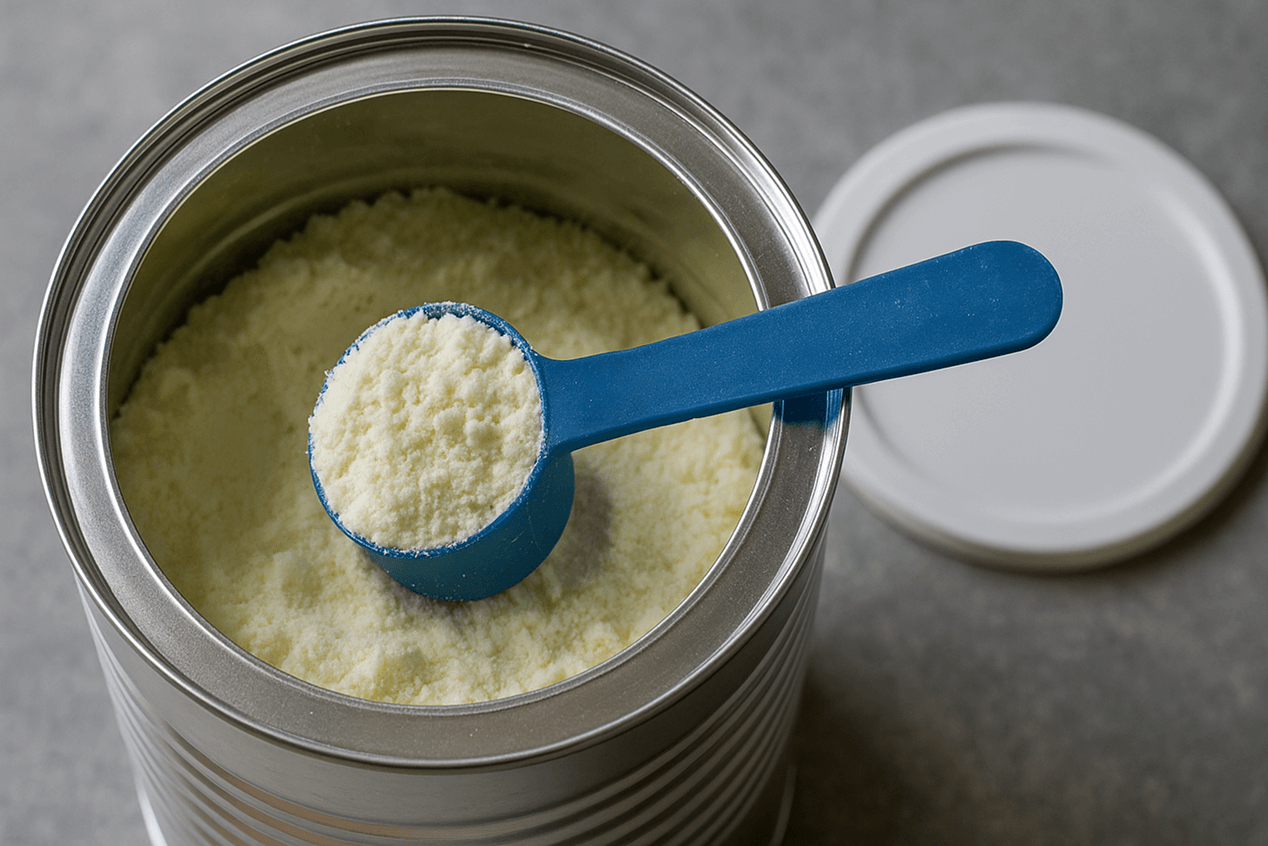
In 2022, powdered infant formula came under the harsh spotlight of global food safety scrutiny following a surge in reported incidents involving Cronobacter sakazakii — a pathogen deadly to infants. Using data from the SGS Digicomply Food Safety Intelligence Hub, filtered specifically by:
-
Substance: Cronobacter sakazakii
-
Source: Government body
- Product: Infant Formula
we tracked a dramatic rise in official incidents beginning in early 2022, followed by an elevated, though tapering, number of cases through 2023 and 2024. While Cronobacter infections remain relatively rare, the outbreak and recall events of 2022 revealed major vulnerabilities in powdered formula safety and triggered a global reckoning for regulators, manufacturers, and health authorities.
.png?width=570&height=444&name=Cronobacter%20in%20Powdered%20Infant%20Formula%20%E2%80%94%20Government-Reported%20Incidents%20(2010%E2%80%932025).png)
This insight has been timely identified and is available to users through the SGS Digicomply Food Safety Intelligence Hub. Feel free to explore the Food Safety Intelligence Hub demo and try this tool in action.
What Happened in 2022?
In February 2022, U.S. health agencies launched an investigation into a cluster of infant Cronobacter infections linked to formula produced at Abbott Nutrition's Sturgis, Michigan plant. By the end of the month, Abbott had voluntarily recalled multiple product lines, including Similac, Alimentum, and EleCare. The FDA's subsequent inspection revealed serious sanitary lapses and the presence of Cronobacter in environmental samples at the plant.
Though no genetic match was found between clinical and environmental strains, the combination of illness reports, product consumption histories, and plant conditions led to a sweeping recall — and the temporary shutdown of a plant responsible for approximately 40% of U.S. formula supply.
The results were cascading:
-
National infant formula shortage
-
Emergency FDA import allowances under "enforcement discretion"
-
Global alerts via INFOSAN to over 50 countries
Why Incidents Stayed High Through 2023–2024
Despite no recurrence of mass outbreaks, government-reported incidents linked to Cronobacter in formula stayed well above pre-2022 levels. Several drivers explain this prolonged visibility:
-
Stricter Surveillance and Proactive Recalls: Formula makers began recalling products preemptively at any sign of contamination, even without linked illnesses.
-
Enhanced FDA Oversight: In response to criticism, FDA intensified inspections and environmental monitoring expectations.
-
Regulatory Shifts: Cronobacter sakazakii infection in infants became nationally notifiable in the U.S. in 2024, improving traceability and accountability.
-
Traceback from Earlier Production: Some 2023 recalls stemmed from batches made in late 2022 or early 2023. Contaminated ingredients or environmental positives discovered months later triggered delayed reporting.
Key Risk Factors for Recurrence
Even with stricter controls, powdered infant formula remains inherently vulnerable to Cronobacter contamination due to:
-
Dry Environments Favoring Pathogen Survival: Cronobacter thrives in dry, low-moisture settings and can persist in production environments for months.
-
Non-Sterile Final Product: Powdered formulas cannot be terminally sterilized without degrading nutrients, leaving final packaging steps exposed.
-
Supply Chain Complexity: Contamination can stem from ingredients, packaging sites, or post-processing additions not subjected to kill steps.
-
Variable Hygiene Standards: Manufacturing facility design, maintenance, and sanitation protocols vary. The Sturgis plant had known issues with water leaks and biofilm-prone surfaces.
What’s Changing
Post-2022, regulators and industry leaders have introduced multiple reforms:
-
FDA established a new Office of Critical Foods to monitor formula safety.
-
Environmental monitoring protocols are being updated to match the resilience of Cronobacter.
-
Many manufacturers have enhanced supplier vetting, in-process testing, and contingency planning.
-
Public health bodies have aligned on international alerts and product traceability improvements.
Conclusion: Crisis Averted, But Not Forgotten
The 2022 formula crisis, triggered by Cronobacter sakazakii, was a watershed moment in food safety oversight. It highlighted how a single plant’s lapse can ripple globally when infant health is on the line. Thanks to expanded surveillance and preemptive actions, similar disasters have so far been avoided.
However, the conditions that enabled the crisis—an opportunistic pathogen, non-sterile product format, fragmented oversight—still exist. Only with ongoing transparency, strict facility controls, and informed consumer practices can trust in powdered infant formula remain resilient.
Sources: FDA, CDC, WHO INFOSAN, ECDC, RASFF, Health Canada, EFSA, SGS Digicomply Food Safety Intelligence Hub


