
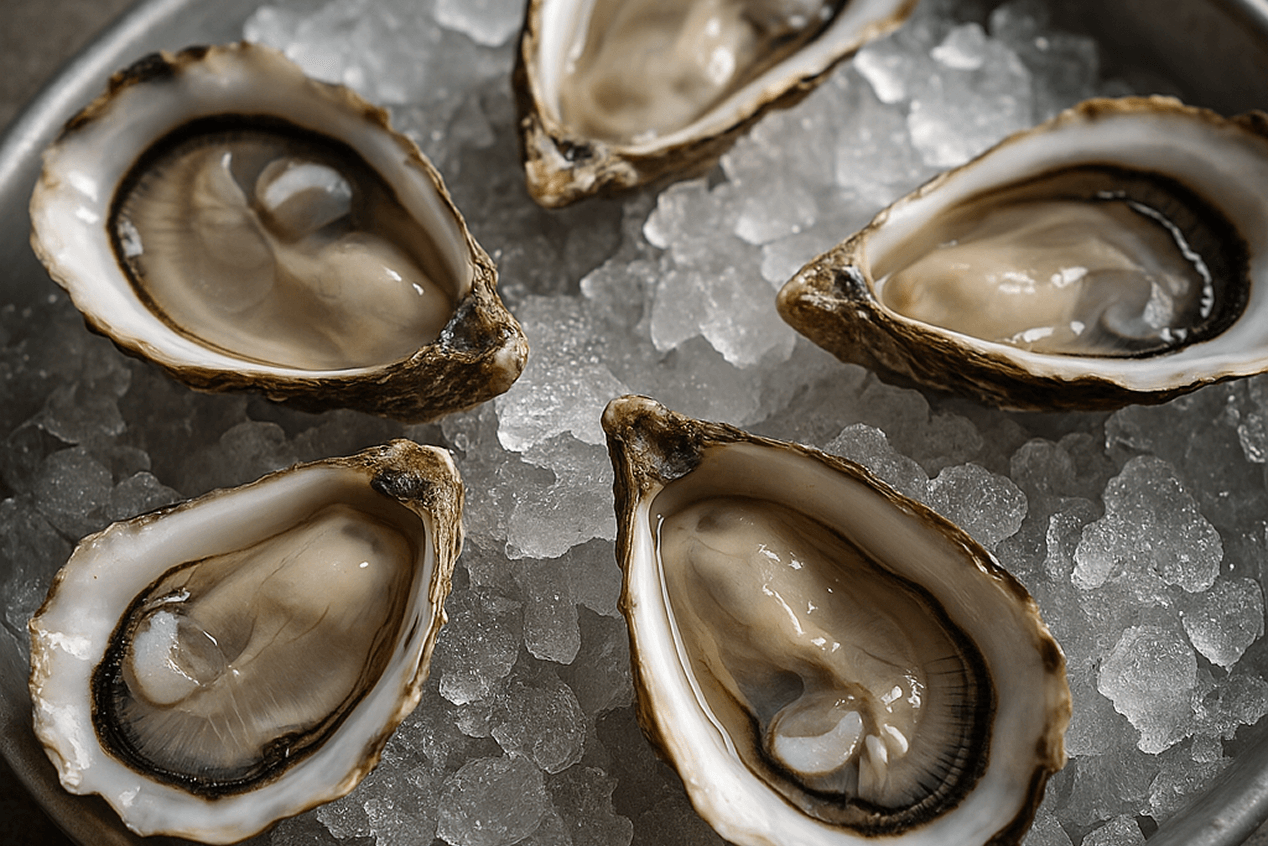
Every summer, across coastal regions from Canada to Hong Kong, a quiet but potentially serious food safety risk resurfaces: Vibrio in raw oysters and other bivalves. While the number of global incidents remains low, each one tells the same story — warm waters, raw seafood, and bacterial infections that range from unpleasant to life-threatening.
So why do we keep hearing about Vibrio outbreaks? And more importantly, should regulators and food businesses be doing more — or is this just the cost of eating raw shellfish? Let’s unpack what the data shows, and what actions make sense.
What Is Vibrio, and Where Does It Come From?
Vibrio bacteria — especially Vibrio parahaemolyticus and Vibrio vulnificus — are naturally present in warm, brackish seawater. Unlike many foodborne pathogens, they don’t appear through contamination or poor hygiene; they live in the marine environment and accumulate inside filter-feeding shellfish like oysters and clams.
When eaten raw, these shellfish become a direct route for infection. Parahaemolyticus typically causes gastrointestinal distress, while vulnificus is far more dangerous: it can cause bloodstream infections and even death, particularly in people with weakened immune systems or underlying liver disease.
And here’s the key problem: we’re eating more of these foods raw than ever before.
What the Data Tells Us (and Doesn’t)
We analyzed 15 years of food safety data from SGS Digicomply, focusing only on incidents confirmed by government agencies. The filters were tight: Vibrio-related cases in raw oysters and bivalves, no third-party media, no speculative reports.
.png?width=2102&height=1636&name=Vibrio%20in%20Raw%20Oysters%20%E2%80%94%20Verified%20Incidents%20Reported%20by%20Authorities%20(2010%E2%80%932025).png)
This insight has been timely identified and is available to users through the SGS Digicomply Food Safety Intelligence Hub. Feel free to explore the Food Safety Intelligence Hub demo and try this tool in action.
What we found is subtle, but meaningful.
-
Only 8 incidents were reported globally between 2010 and 2025.
-
But these weren’t random. They occurred in distinct seasonal waves — summer and early autumn — with noticeable spikes in 2014, 2016, 2022, and again in 2025.
The pattern is clear: Vibrio risk is seasonal, cyclical, and globally distributed.
Countries affected include Canada, the U.S., Australia, New Zealand, Hong Kong, Switzerland, and Italy — each with at least one incident requiring a recall, advisory, or import alert. These were not media blips. They came from regulatory bodies like the FDA, CFIA, and Centre for Food Safety (Hong Kong), acting on real illnesses and traceable outbreaks.
Why It Keeps Happening
Several overlapping factors explain why Vibrio outbreaks continue, even in high-regulation markets:
-
Warming oceans: Vibrio thrives in waters above 20ºC. As global sea temperatures rise, the viable window for bacterial growth expands.
-
Live seafood trade: Oysters are shipped internationally, often chilled but not frozen. A few hours of temperature abuse in transit can give bacteria room to multiply.
-
Growing popularity of raw shellfish: Whether it’s oyster bars in New York or Tokyo, raw seafood has moved from delicacy to mainstream.
-
Low consumer awareness: Many at-risk individuals — the elderly, immunocompromised, or those with chronic conditions — are unaware that a single raw oyster could trigger a serious infection.
It’s not that the system is failing. It’s that the system is reactive — and this is a hazard that requires anticipation.
Is This an Emerging Threat?
Let’s be clear: Vibrio is not causing widespread outbreaks. But when cases do occur, they’re serious — especially with V. vulnificus, which can cause death in under 48 hours.
So is this a crisis? No. But is it a seasonal threat that’s under-monitored? Absolutely.
We classify it as an “Emerging Recurrent Risk” — low in frequency, but high in severity and predictability. That’s exactly the type of risk that benefits from early warning systems and seasonal awareness campaigns.
What Can Be Done — Without Overreacting
For Regulators:
-
Introduce or tighten seasonal import controls for raw shellfish from high-risk zones.
-
Require better labeling for raw seafood — especially harvest date and origin.
-
Cross-reference seafood risk alerts with climate and ocean temperature data.
For Retailers and Foodservice:
-
Strengthen supply chain validation for oysters and bivalves — especially in summer.
-
Train front-line staff on who should avoid raw seafood, and why.
-
Offer cooked alternatives during high-risk seasons.
For Consumers:
-
If you’re over 65, immunocompromised, or have liver disease — avoid raw oysters.
-
Always check product labeling and source.
-
When in doubt, cook it. Vibrio dies at 60ºC in under a minute.
Final Word
Vibrio doesn’t need to be feared. But it does need to be respected.
The data doesn’t lie: this isn’t a freak event. It’s a slow-burning, repeatable seasonal hazard that’s easy to forget — until someone gets sick. With better monitoring, targeted regulations, and basic education, we can keep this risk low without giving up raw oysters entirely.
Food safety doesn’t always come down to quantity. Sometimes, one bad oyster is all it takes.
Sources:
-
SGS Digicomply Food Safety Incident Database (Vibrio + Raw Oysters + Government sources)
-
Official reports: CFIA, FDA, SFA, CFS (HK), EU notifications
-
FAO/WHO assessments on Vibrio spp.
-
Peer-reviewed scientific studies on Vibrio ecology


